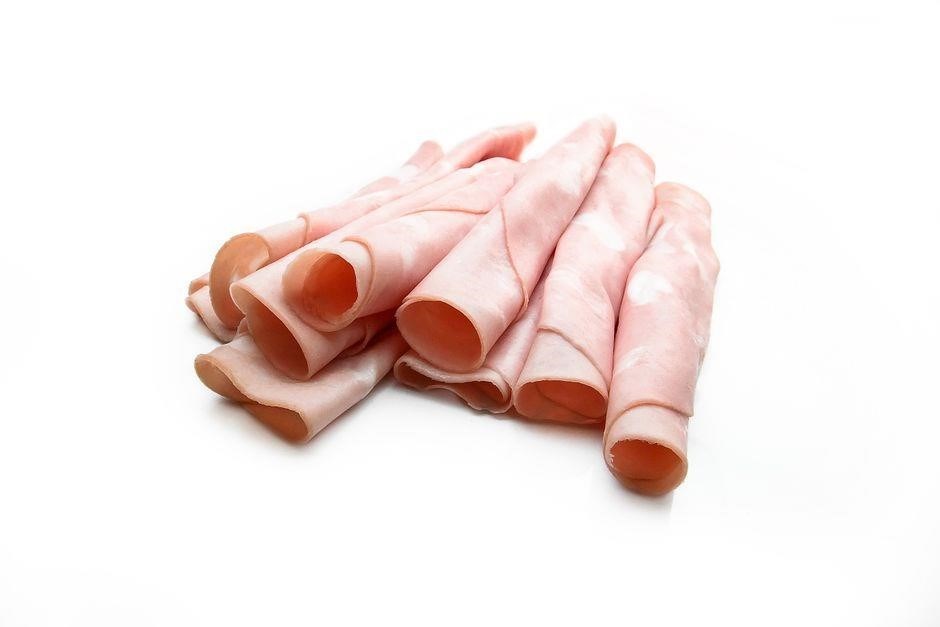
Schneiders Original Half Ham Overview
Schneiders Original Half Ham is crafted from premium hindquarter pork, cured with water, salt, brown sugar, and select spices. After a 7‑hour hardwood smoke, the ham delivers a balanced blend of meatiness and juiciness, ready for slicing or cooking. Enjoy warm or cold, sliced for sandwiches or diced for stew now

Ingredient Composition
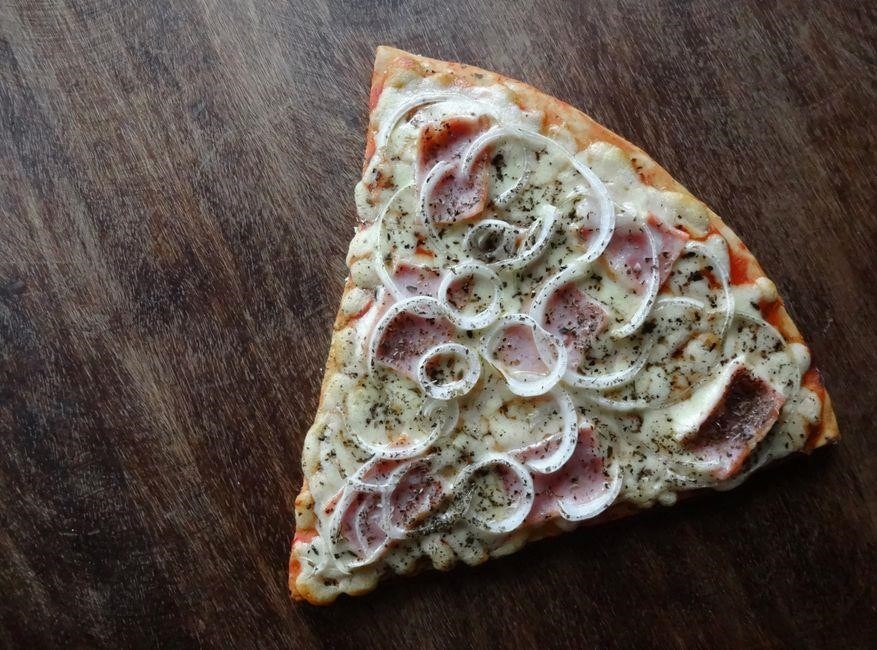
Schneiders Original Half Ham uses premium pork from the hindquarter, cured with water, salt, brown sugar, modified vinegar, sodium phosphate, sodium erythorbate, sodium nitrite, and wrapped in collagen. It’s smoked over hardwood for about seven hours, yielding a juicy, flavorful ham. Ideal for quick meals, and.
Primary Meat Source
Schneiders Original Half Ham’s foundation lies in the careful selection of the pork hindquarter, the most tender and flavorful portion of the pig. The company sources its meat from trusted Canadian farms where animals are raised on a natural diet and handled with strict animal welfare standards. Each hindquarter is inspected for marbling, fat distribution, and overall quality before it is cut into the precise dimensions required for a half ham. The meat’s natural sweetness and robust texture are preserved through a meticulous curing process that balances moisture retention with flavor enhancement. By choosing only the finest cuts, Schneiders ensures that every slice delivers a consistent, juicy bite that reflects the brand’s commitment to premium quality. This dedication to source excellence sets the stage for the ham’s signature taste and texture, making it a favorite for both casual and gourmet applications. Its balanced flavor profile pairs well with vegetables or cranberry fresh relish.yum!
Seasoning and Cure Components
Schneiders Original Half Ham’s flavor foundation is built upon a meticulous cure that balances sweetness, saltiness, and subtle acidity. The curing blend begins with a generous infusion of water, which keeps the meat moist and prevents it from drying out during the long smoking period. Salt is added in precise proportions to draw out excess moisture, concentrate the ham’s natural juices, and create a protective barrier against spoilage. Brown sugar provides a gentle caramelization, giving the ham a lightly sweet, nutty undertone that complements the savory pork. A touch of modified vinegar introduces a mild tang that brightens the overall profile without overpowering the meat’s inherent taste. To enhance texture and stability, sodium phosphate is incorporated, helping the ham retain moisture and improving its tenderness. Sodium erythorbate, an antioxidant, preserves the ham’s bright pink hue and prevents oxidation during curing. Sodium nitrite is a critical component that not only imparts the characteristic pink color but also inhibits bacterial growth, ensuring safety and extending shelf life. Finally, the ham is wrapped in collagen, a natural protein that helps seal in flavor, maintain structural integrity, and provide a smooth, tender bite when sliced. Together, these components create a harmonious balance that delivers a consistently juicy, flavorful, and safe product for every culinary application. These carefully balanced ingredients not only enhance flavor but also ensure the ham remains moist, tender, and safe for long-term storage!!!
Smoking Process Details
Schneiders Original Half Ham undergoes a carefully controlled smoking regimen that imparts depth, aroma, and a subtle woody undertone while preserving the ham’s natural juiciness. After the curing phase, the ham is wrapped in collagen and placed in a commercial smoker set to a steady temperature of 225°F (107°C). Hardwood chips—primarily applewood—are selected for their mild, slightly sweet smoke that complements pork without overwhelming the meat’s inherent flavor. The smoking cycle lasts approximately seven hours, during which the smoke penetrates the meat’s fibers, creating a uniform, caramelized crust that locks in moisture and develops a complex flavor profile. The smoker’s airflow is regulated to ensure a steady supply of smoke while preventing the meat from drying out. Throughout the process, the ham is periodically checked for smoke density and temperature, and the wood chips are replenished as needed to sustain a steady smoke. Once the smoking is complete, the ham is removed, allowed to rest for a short period to settle the juices, and then cooled to room temperature before packaging. This meticulous smoking method guarantees a product that is flavorful, aromatic, and visually appealing, ready for slicing or further culinary use. The final product is best served warm, sliced thinly, and paired with fresh bread or a crisp salad. For a smoky glaze, brush the ham with a mixture of honey, mustard, with a touch of spice during the last 30 minutes of smoking. Once cooled, store in refrigerator and consume within a week for optimal taste safety.
Preparation Steps
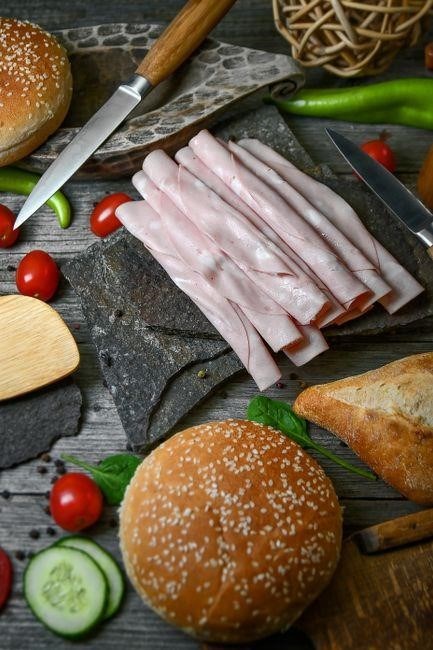
Remove the ham from packaging, let rest 30 min at room temp. Slice to desired thickness, rehydrate in mild broth 20 min to boost moisture. Finish by heating in skillet or oven at 350°F for 10 min until warmed. Keep chilled until serving, glaze with honey‑mustard for flavor.

Cutting and Portioning
When you receive the Schneiders Original Half Ham, first unwrap it gently to preserve the surface glaze. Let the ham sit at room temperature for about 20 minutes; this reduces the shock when slicing and ensures even cuts. Use a sharp chef’s knife or a dedicated ham slicer for clean, uniform slices. Hold the ham steady on a cutting board, aligning the natural seam of the meat. Slice the ham in a single direction, starting from the thicker end and working toward the thinner tip. Aim for a thickness of 1/4 to 1/2 inch for sandwich slices; thicker cuts (3/4 inch) are ideal for roasting or serving whole. If you prefer individual portions, cut the ham into 4‑ to 6‑inch sections, then divide each section into equal slices. For a classic half‑ham presentation, keep the bone intact and slice around it, ensuring each piece contains a balanced mix of meat and marrow. After slicing, arrange the portions on a platter or in a shallow dish, allowing the natural juices to pool for added flavor. Store any unused slices in an airtight container in the refrigerator; they can be reheated in a low‑heat oven or microwave, but avoid overcooking to keep the meat tender and juicy. When reheating, cover the ham with foil to retain moisture and heat to 165°F for safety. For optimal flavor, reheat only once and avoid microwaving the entire half‑ham before serving. Keep the leftover wrapped in foil to maintain moisture! for OK!

Rehydration and Soaking
Rehydration restores moisture and softens the cured surface, allowing natural sugars to caramelize during cooking. A 12‑hour soak in cold water reduces saltiness, making the ham more approachable. Add a splash of apple juice or garlic to the soaking liquid for extra aroma. After soaking, pat dry, wrap loosely in foil, and refrigerate until ready to cook. This step ensures a juicy, evenly cooked result that showcases the ham’s signature applewood‑smoked flavor. The soak helps the ham retain natural juices during cooking now.
Cooking Method Options
Cooking a half ham from Schneiders offers a range of techniques that highlight its applewood‑smoked profile. The traditional oven roast is the most familiar method: preheat to 325°F (163°C), place the ham on a rack, cover loosely with foil, and bake 20 minutes per pound until the internal temperature reaches 140°F (60°C). After removal, tent the ham with foil and let it rest for 10 minutes to allow juices to redistribute before slicing. For a quick pan‑sear, slice the ham into ½‑inch thick pieces, heat a skillet over medium heat, add a splash of water or apple juice, and brown each side for 2–3 minutes, finishing with a drizzle of honey‑mustard glaze. Grilling imparts a subtle char and smokiness; preheat to medium, brush the ham with a mixture of honey, Dijon mustard, and a pinch of brown sugar, then grill 5–7 minutes per side, basting occasionally. Slow‑cooking in a crockpot is convenient for busy days: place the ham in the pot, add a cup of broth, a few sprigs of thyme, and a splash of cider, then simmer on low for 6–8 hours, turning once. The ham will be tender and infused with the liquid’s aromatics. Microwave finishing is the fastest option; wrap the ham in foil, heat on high for 10–12 minutes, checking the internal temperature after each 3‑minute interval to avoid overcooking. For a stovetop method, set a large pot to medium, add a small amount of water or broth, place the ham, cover, and simmer for 30–40 minutes, turning occasionally. Each method preserves the ham’s juices tender while offering varied daily textures and cooking times.

Serving Suggestions
Pair the smoked ham with fresh bread butter, and a drizzle of honey mustard. Slice thin for breakfast sandwiches, or dice for a hearty stew. Arrange on a platter with cheeses, olives, and crackers for a charcuterie board. Serve warm or at room temperature. Enjoy the savory bite

Breakfast Sandwich Ideas
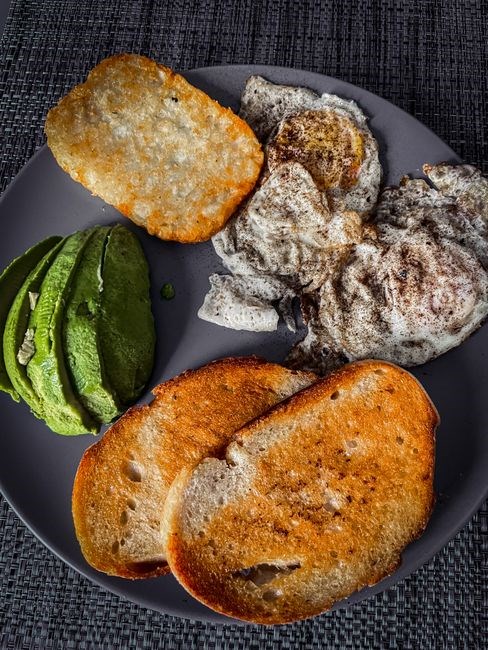
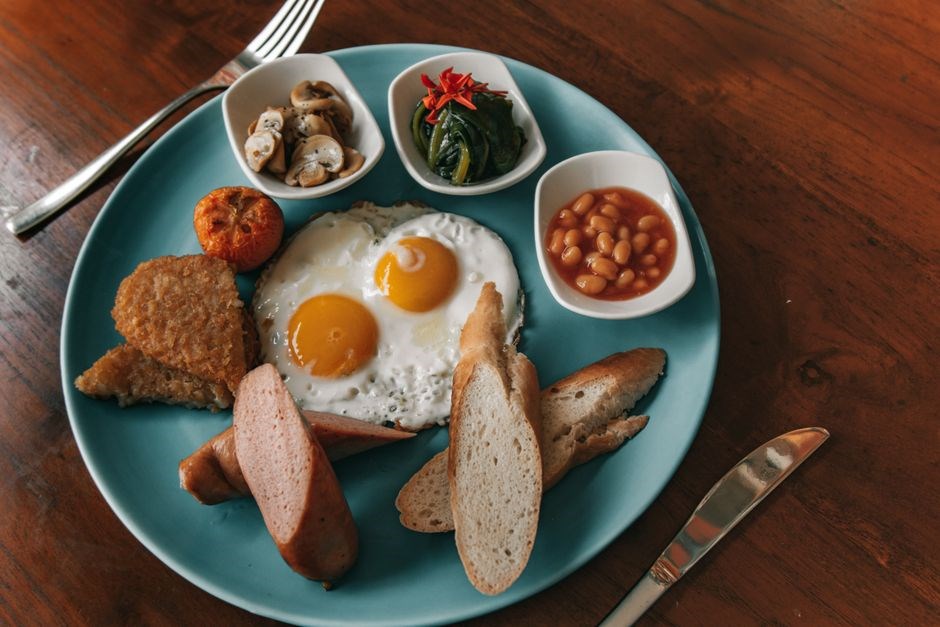
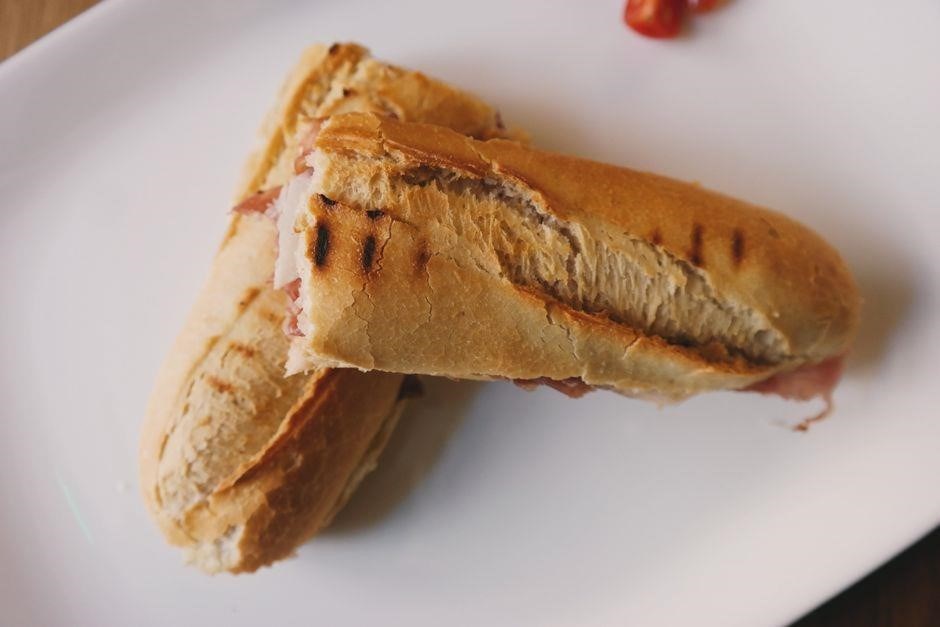
Begin your day with a savory, smoky sandwich that turns the classic breakfast into a gourmet experience. Slice the Schneiders Original Half Ham thinly and layer it on a toasted sour‑dough or a buttery croissant. Spread a thin layer of Dijon mustard or a sweet honey‑mustard glaze to complement the ham’s natural sweetness. Add a handful of fresh arugula or spinach for a peppery bite, and top with ripe tomato slices, thinly sliced red onion, and a sprinkle of sea salt. For a creamy element, include a few slices of aged cheddar or a spread of cream cheese. If you enjoy a warm sandwich, grill the assembled loaf in a panini press until the bread is crisp and the cheese melts. For a low‑fat version, wrap the ham, cheese, and veggies in a large lettuce leaf or a low‑calorie tortilla. Serve with a side of fresh fruit, a small bowl of Greek yogurt, or a handful of roasted nuts for a balanced breakfast that satisfies both taste and nutrition.
For a brunch twist, layer the ham with sautéed spinach, caramelized onions, and a drizzle of balsamic reduction. Serve on a toasted bagel with a smear of goat cheese for a tangy contrast. If you prefer a quick bite, assemble a ham and cheese roll‑up using a low‑fat tortilla, add a handful of baby spinach, and roll tightly. Pair the sandwich with a glass of chilled sparkling water or a light citrus smoothie for a refreshing finish. Experiment with different breads—whole‑grain, rye, or ciabatta to suit your palate, and adjust the seasoning by adding a pinch of smoked paprika or fresh herbs for extra depth. Enjoy!! Bon!
Charcuterie Presentation
Arrange the Schneiders Original Half Ham on a chilled slate board, slicing it into elegant 1/4‑inch wedges that showcase the ham’s smoky marbling. Place the wedges in a circular pattern, alternating with thinly sliced apple, pear, and figs for a sweet contrast that balances the savory depth. Add a selection of artisanal cheeses—aged cheddar, smoked gouda, and a creamy brie—to complement the smoky flavor, and arrange them in small piles around the board. Scatter a handful of mixed nuts, such as almonds and walnuts, and a drizzle of honey over the board for a touch of sweetness and crunch. Garnish with fresh rosemary sprigs, a few edible flowers, and a scattering of sea salt crystals to enhance aroma and visual appeal. Serve with crusty baguette slices, whole‑grain crackers, and a small bowl of tangy mustard or a homemade vinaigrette for dipping. This arrangement showcases the ham’s rich aroma and balanced sweetness, making it a centerpiece for gatherings or a refined snack. For an elevated presentation, add a small ramekin of caramelized onions or a spoonful of fig jam to introduce additional layers of flavor. Finally, provide forks and toothpicks for guests to enjoy the charcuterie spread. The board can be illuminated with a subtle LED light to highlight colors and create a warm atmosphere. Pair the ham with citrus wine or beer to complement smoky notes. If you prefer a vegetarian side, add a bowl of roasted beet slices or fresh cucumber salad for brightness. Microgreens add a fresh, peppery finish. Taste harmony,share joy.

Nutrition Facts Snapshot
Calories: 110% Daily Value*
Fat: 3.5 g (5%)
Saturated: 1.5 g (8%)
Trans: 0 g
Carbohydrate: 2 g
Fiber: 0 g (0%)
Sugars: 2 g (2%)
Protein: 17 g
Cholesterol: 50 mg
Sodium: 890 mg (39%)
Potassium: 250 mg (7%)
Calcium: 10 mg (1%)
Iron: 0.75 mg (4%)
Each serving of Schneiders Original Half Ham delivers a balanced profile of essential nutrients. The protein content supports muscle maintenance and repair, while the moderate fat level provides energy without excessive saturated fat. Sodium is present at 890 mg, which is 39% of the daily value, so it is advisable to pair the ham with low‑sodium accompaniments. Potassium contributes to electrolyte balance, and the iron content supports oxygen transport. The carbohydrate count is minimal, making it suitable for low‑carb diets. The presence of brown sugar and sodium nitrite is typical for cured meats, providing flavor and preservation. The ham’s sodium phosphate and erythorbate help maintain moisture and color. When planning a meal, consider the ham’s calorie density and adjust portion sizes accordingly. A 1‑inch slice (approximately 30 g) contains roughly 110 kcal, 17 g protein, 3.5 g fat, and 890 mg sodium. This makes it a source of protein for breakfast, lunch, or dinner. For a balanced plate, pair it with fresh vegetables, whole‑grain bread, or a light salad. The ham’s smoky aroma enhances the overall dining experience, while its tender texture offers a satisfying bite. Enjoy responsibly and savor the craftsmanship behind each slice!!!