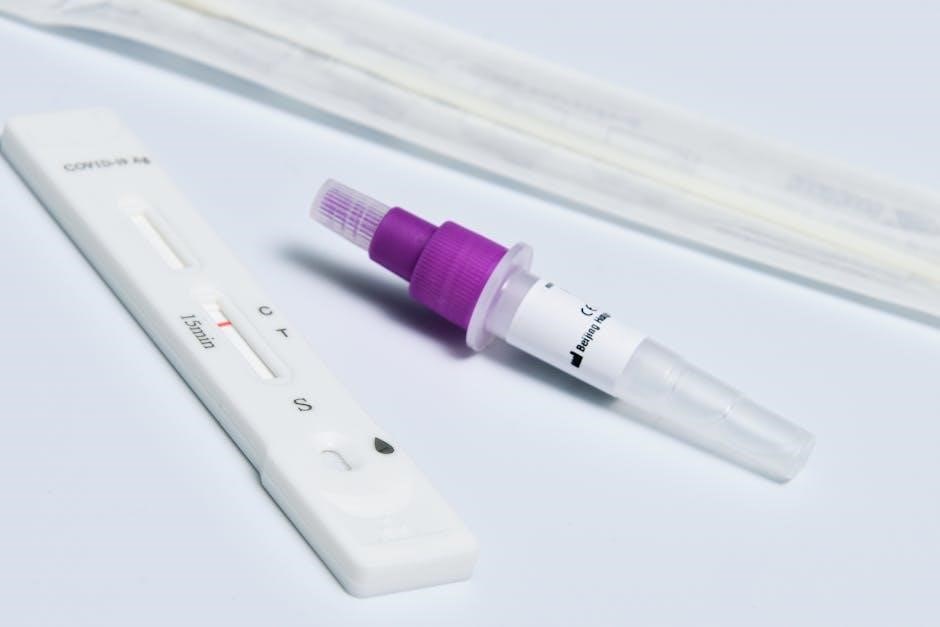
peak flow chart pdf nhs

Understanding Peak Flow Charts & NHS Guidance

Peak flow charts, often available as PDF downloads from the NHS, are crucial tools for asthma self-management, enabling individuals to track their respiratory health effectively.

These charts help record scores, assisting in recognizing patterns and adjusting medication as needed, alongside comprehensive NHS asthma action plans.

What is Peak Flow Measurement?

Peak flow measurement assesses how quickly you can exhale air from your lungs, providing a valuable indicator of airway obstruction, a common issue in asthma. This measurement, expressed in liters per minute (L/min), is obtained using a peak flow meter, a handheld device readily available and often utilized alongside NHS-provided peak flow charts – frequently downloadable as PDF documents.

The process involves taking a deep breath and then blowing into the meter with as much force as possible. Multiple readings are typically taken, and the highest score is recorded on the peak flow chart. Regular monitoring helps establish a ‘personal best’ peak flow, serving as a baseline for comparison. Changes from this baseline, tracked on the chart, signal potential asthma flare-ups, prompting adjustments to medication or seeking medical advice, as outlined in NHS guidance.

It’s a simple, non-invasive test empowering individuals to actively participate in their asthma management.

Why Use a Peak Flow Chart?

Utilizing a peak flow chart, often accessible as a PDF from NHS resources, empowers individuals with asthma to proactively manage their condition. These charts facilitate the early detection of worsening airway obstruction, even before noticeable symptoms like wheezing or shortness of breath appear. Consistent monitoring, recording readings daily or as directed, establishes a personal baseline and identifies trends.

The NHS emphasizes integrating peak flow monitoring with asthma action plans. The chart visually represents zones – green, yellow, and red – indicating the severity of airway function. This allows for timely medication adjustments, potentially preventing severe asthma attacks. Regular charting aids in communicating effectively with healthcare professionals, providing objective data about lung function over time. Downloading a peak flow diary (PDF) from the Asthma UK website or NHS sites simplifies this process.

The Peak Flow Meter

Peak flow meters, used with NHS-provided charts (often PDF format), measure how quickly air is expelled from the lungs, aiding asthma management and monitoring.

Types of Peak Flow Meters Available

Several types of peak flow meters exist, catering to different needs and preferences, though the NHS generally supports consistent monitoring using any validated device alongside their peak flow chart PDF resources.

Traditional mechanical meters are widely available and affordable, displaying readings on a numbered scale; these require manual recording onto a chart; Digital peak flow meters offer a more modern approach, often storing readings and connecting to smartphone apps for easier tracking and data analysis.

Some meters are designed specifically for children, featuring simplified designs and potentially color-coded zones aligning with NHS guidance. Regardless of the type, ensuring the meter is clean and calibrated is vital for accurate readings. The NHS emphasizes that the key is consistent monitoring, not necessarily the specific meter used, when paired with their downloadable charts.

How to Use a Peak Flow Meter Correctly

Correct peak flow meter usage is vital for accurate readings, especially when utilizing an NHS peak flow chart PDF for tracking. Begin by standing upright, ensuring nothing obstructs your airway.

Take a deep breath, filling your lungs completely, then place the meter’s mouthpiece firmly in your mouth, sealing your lips around it. Blow out as hard and fast as possible in a single, continuous effort – think of blowing out candles on a birthday cake.

Repeat this process three times, with short rests between each attempt. Record the highest of the three readings on your NHS-provided chart. Consistency in technique is key; the NHS emphasizes following these steps to ensure reliable data for effective asthma management.

Preparing to Take a Reading

Before utilizing your peak flow meter and recording data on an NHS peak flow chart PDF, proper preparation is essential for accurate results. Ensure you are standing comfortably, as posture impacts airflow.

Confirm the meter is clean and functioning correctly. Familiarize yourself with the markings on the chart to understand the expected range for your personal best. It’s best to take readings at the same time each day, ideally in the morning before medication, and in the evening, as directed by your NHS healthcare provider.

Avoid vigorous activity or eating immediately before testing. Having your NHS asthma action plan and chart readily available streamlines the process, promoting consistent monitoring.

Taking the Measurement – Step-by-Step

To accurately measure your peak flow, and record it on your NHS peak flow chart PDF, follow these steps. Stand upright and take a deep breath, filling your lungs completely. Place the mouthpiece firmly in your mouth, ensuring a tight seal with your lips.

Blow out as hard and as fast as you can in a single, continuous breath. This requires effort – aim for a forceful exhalation. Repeat this process three times, allowing brief rests between each attempt.

Record the highest of the three readings on your NHS chart. This value represents your peak expiratory flow rate. Consistent technique is vital for reliable monitoring and effective asthma management, as guided by your NHS care plan.

Recording Your Peak Flow Readings

Consistent and accurate recording of your peak flow readings on your NHS peak flow chart PDF is essential for effective asthma management. After taking your measurement – remembering to record the highest of three attempts – clearly note the date and time alongside the reading.

Use a pen to mark your score on the chart, often indicated by a cross or dot. Pay attention to the zones (green, yellow, red) on the chart, as these provide immediate guidance on your asthma control.

Regularly review your recorded data with your healthcare provider, as trends can inform adjustments to your medication plan. Downloadable NHS charts facilitate this process, supporting proactive asthma self-management.

Interpreting Your Peak Flow Readings

Understanding your peak flow readings, tracked on an NHS peak flow chart PDF, is vital; these measurements indicate lung function and guide asthma management decisions.

Personal Best Peak Flow

Determining your personal best peak flow is a foundational step in utilizing a peak flow chart, often downloadable as a PDF from the NHS. This represents the highest reading you can consistently achieve when your asthma is well-controlled and you’re feeling your best.

To establish this baseline, diligently record your peak flow readings twice daily for two to three weeks, following the instructions provided with your meter and the NHS guidance; The highest of these readings becomes your personal best.

This value is crucial because it serves as the benchmark against which all future readings are compared. The NHS asthma action plan, often integrated with peak flow monitoring, relies heavily on this personal best to define the green, yellow, and red zones, guiding appropriate medication adjustments and when to seek medical attention. Regularly updating this value, if your asthma improves with treatment, is also recommended.

Zones of Peak Flow – Green, Yellow, and Red

Peak flow charts, readily available as PDFs from the NHS, categorize readings into three zones – green, yellow, and red – to guide asthma management. Understanding these zones is vital for self-assessment and appropriate action.

The green zone (80-100% of your personal best) indicates excellent control; continue your regular medication. The yellow zone (50-79%) signals caution – asthma is deteriorating. NHS guidance suggests increasing reliever medication and monitoring symptoms closely.

The red zone (below 50%) demands immediate medical attention. This signifies severe airway obstruction, potentially requiring emergency treatment. The NHS asthma action plan, often used alongside the peak flow chart, details specific steps for each zone. Consistent monitoring and adherence to these zones, as outlined in the NHS PDF resources, are key to effective asthma control.

Green Zone: All Clear

The green zone, prominently displayed on NHS peak flow charts often available as a PDF download, signifies optimal asthma control. This zone represents readings between 80% and 100% of your personal best peak flow measurement, indicating clear airways and minimal inflammation.

When consistently within the green zone, you should continue your regular, prescribed asthma medications as directed by your healthcare provider. NHS guidance emphasizes maintaining this stability by adhering to your long-term control medications.

No additional action is typically required within this zone, but continued monitoring with the peak flow meter and chart is essential. The NHS asthma action plan, often used in conjunction with the chart, reinforces this proactive approach, ensuring sustained respiratory wellness.

Yellow Zone: Caution

The yellow zone on an NHS peak flow chart (often downloadable as a PDF) indicates a potential worsening of asthma symptoms and requires increased attention. This zone encompasses peak flow readings between 50% and 79% of your personal best, signaling some airway narrowing.

NHS guidance suggests that when entering the yellow zone, you should follow your asthma action plan, which may involve increasing your reliever medication (usually a blue inhaler) as prescribed. Monitor your symptoms closely – wheezing, coughing, or shortness of breath – and record any changes on your chart.

If symptoms don’t improve within a specified timeframe, or if they worsen, the NHS recommends seeking medical advice. The yellow zone serves as a crucial warning sign, prompting proactive management to prevent progression to the red zone.

Red Zone: Medical Attention Needed

The red zone on an NHS peak flow chart (available as a PDF download) signifies severe airway obstruction and demands immediate medical intervention. Readings in this zone are typically below 50% of your personal best, indicating a significant asthma exacerbation.

NHS guidance clearly states that if your peak flow falls into the red zone, you should use your reliever inhaler immediately, following the instructions in your asthma action plan. However, this is not a substitute for seeking urgent medical help.

You must call 999 or go to the nearest Accident & Emergency department. Symptoms accompanying a red zone reading often include severe shortness of breath, inability to speak in full sentences, and a blue tinge to the lips or fingers. Do not delay seeking assistance; prompt treatment is vital.

NHS Peak Flow Charts & Resources

The NHS provides downloadable peak flow charts as PDFs, alongside asthma action plans, to empower patients to actively monitor and manage their respiratory conditions effectively.

Downloading NHS Peak Flow Charts (PDF)

Accessing NHS peak flow charts in PDF format is straightforward, facilitating convenient home monitoring for asthma sufferers. Several NHS Trusts directly offer downloadable charts on their websites; Gloucestershire Hospitals NHS Foundation Trust provides a peak flow diary (PDF, 1.06MB) specifically designed for recording measurements.

These readily available resources enable patients to diligently track their peak expiratory flow rates, a vital component of asthma management. NHS resources emphasize the importance of consistent recording, using the highest of three readings for accuracy.

Furthermore, many local healthcare providers can furnish physical copies of these charts, or direct you to the appropriate online location for PDF downloads. Utilizing these NHS-approved charts ensures alignment with national guidelines and supports effective asthma control.

NHS Asthma Action Plans & Peak Flow Integration

NHS Asthma Action Plans are designed to empower patients to self-manage their condition, and peak flow monitoring is a central component of this approach. These plans, often used in conjunction with a downloaded peak flow chart (PDF), outline specific actions to take based on peak flow readings and symptom severity.

The Gloucestershire Hospitals NHS Foundation Trust highlights the integration of peak flow diaries within their Asthma Action Plans, emphasizing how regular monitoring informs medication adjustments.

Action plans categorize readings into zones – green, yellow, and red – guiding patients on when to continue routine medication, add reliever medication, or seek urgent medical attention. Consistent use of a peak flow chart PDF, alongside the plan, allows for proactive asthma control and reduces the risk of severe exacerbations, aligning with NHS best practices.

Peak Flow Charts for Different Age Groups

NHS resources provide tailored peak flow charts (PDF format) for both adults and children, recognizing varying lung capacity and normal ranges across different developmental stages.

Peak Flow Charts for Adults

NHS-provided peak flow charts for adults, frequently downloadable as PDF documents, are designed to help individuals with asthma monitor their lung function and manage their condition proactively.

These charts typically include a zone system – green, yellow, and red – to visually represent the severity of airway obstruction, guiding appropriate action based on readings.

Adult charts often incorporate predicted normal values based on age, height, and gender, allowing for personalized assessment of peak expiratory flow rate (PEFR).

Regular monitoring and recording of PEFR readings on the chart, alongside symptom tracking, enables adults to identify triggers, assess medication effectiveness, and collaborate effectively with healthcare professionals.

The NHS emphasizes using these charts in conjunction with a personalized asthma action plan, ensuring a comprehensive approach to asthma management and minimizing the risk of exacerbations.

Accessing and utilizing these PDF charts empowers adults to take control of their respiratory health.

Peak Flow Charts for Children

NHS peak flow charts specifically designed for children, often available as downloadable PDFs, are vital tools for monitoring asthma in younger patients.

These charts differ from adult versions, utilizing age- and height-based predicted normal values to accurately assess a child’s lung function.

The color-coded zone system (green, yellow, red) remains consistent, providing a clear visual guide for parents or caregivers to understand the severity of airway obstruction.

Consistent monitoring, with the highest of three readings recorded, is crucial, and the NHS stresses the importance of involving children in the process as they get older.

Parents should diligently record readings and symptoms, using the chart to identify patterns and potential triggers.

These charts are best used alongside a personalized asthma action plan developed with a healthcare professional, ensuring optimal asthma control for children.

Managing Asthma with Peak Flow Monitoring

Peak flow monitoring, utilizing NHS downloadable PDF charts, links readings to symptoms, guiding medication adjustments for better asthma control and improved quality of life.

Linking Peak Flow to Asthma Symptoms

Peak flow monitoring, facilitated by readily available NHS peak flow charts – often downloadable as PDF documents – isn’t just about numbers; it’s about understanding your body and recognizing subtle changes.

Consistently recording your peak flow readings alongside a log of your asthma symptoms – like wheezing, coughing, shortness of breath, or chest tightness – allows you to identify triggers and patterns.

For example, a drop in your peak flow score might precede noticeable symptoms, giving you a warning sign to proactively adjust your medication or seek medical advice.

Conversely, experiencing symptoms without a significant change in peak flow could indicate a non-asthma related issue, prompting further investigation.

The NHS emphasizes using these charts to correlate objective measurements with subjective feelings, empowering individuals to take control of their asthma management.

Adjusting Medication Based on Peak Flow

Utilizing an NHS-provided peak flow chart, often accessible as a PDF, is integral to personalized asthma management, particularly when it comes to medication adjustments.

Your Asthma Action Plan, developed with your healthcare provider, will outline specific actions based on your peak flow readings and corresponding zones – green, yellow, and red.

In the green zone (80-100% of your personal best), continue your regular medication schedule.

The yellow zone (50-79%) typically signals a need to increase your reliever medication, as indicated on your NHS plan.

A reading in the red zone (below 50%) demands immediate medical attention and may require a course of oral steroids.

Remember, self-adjusting medication should always be guided by your Asthma Action Plan and regular consultations with your doctor.

Troubleshooting Peak Flow Monitoring

Consistent low readings, despite following NHS guidance and using a peak flow chart PDF, require investigation; factors like illness or technique may influence results.

Factors Affecting Peak Flow Readings

Peak flow readings aren’t always straightforward, and several factors can influence the results recorded on your NHS peak flow chart, whether using a printed version or a PDF downloaded from resources like Gloshospitals.nhs.uk. Common colds or respiratory infections can temporarily lower readings, even if your asthma is generally well-controlled.

Technique is paramount; ensuring a strong, quick exhale is vital for accurate measurement. Variations in effort, or not blowing out hard enough, will lead to inaccurate scores. Environmental factors, like cold air, can also cause airway constriction, impacting readings.

Furthermore, waking up with asthma symptoms – wheezing, shortness of breath, or a tight chest – will naturally result in lower peak flow values. It’s crucial to note these alongside your readings on the chart. Finally, changes in medication or the time of day can also play a role, so consistency is key when monitoring.

What to Do if Readings are Consistently Low

If your peak flow readings, diligently recorded on your NHS peak flow chart (or a PDF version downloaded from NHS resources), are consistently in the yellow or red zone, it’s vital to take action. Don’t ignore persistently low scores, even if you feel relatively well.

First, follow your Asthma Action Plan, which should outline specific steps based on your zone. This may involve increasing your reliever medication, such as a salbutamol inhaler. If symptoms worsen or don’t improve after using your reliever, seek medical attention immediately.

Contact your doctor or NHS 111 for advice, especially if you’re experiencing significant difficulty breathing. Consistently low readings indicate your asthma isn’t well-controlled and requires review. Don’t hesitate to seek professional guidance to adjust your treatment plan.

Resources and Further Information

Asthma UK provides comprehensive guidance, while NHS websites offer peak flow chart PDF downloads and detailed asthma information for effective self-management.

Asthma UK Website

Asthma UK serves as an invaluable resource for individuals seeking to understand and manage their asthma, offering a wealth of information directly applicable to peak flow monitoring.

Their website provides detailed explanations of peak flow measurements, how to interpret readings across the green, yellow, and red zones, and guidance on creating personalized asthma action plans.

You can find downloadable resources, including examples of peak flow charts, though direct PDF downloads of NHS-style charts may redirect to NHS resources.

Asthma UK emphasizes the importance of regular monitoring and linking peak flow readings to symptom control, offering advice on when to seek medical attention.

The site also features a supportive community forum where individuals can share experiences and ask questions, fostering a collaborative approach to asthma management.

Furthermore, Asthma UK actively campaigns for improved asthma care and provides information on rights and access to healthcare services.

NHS Asthma Information Pages

The NHS website offers comprehensive and reliable information regarding asthma management, including detailed guidance on peak flow monitoring and access to downloadable resources.

Specifically, you can find peak flow charts available as PDF documents, designed to help patients track their respiratory health and identify potential asthma exacerbations.

These pages explain the significance of personal best peak flow readings and how to interpret results within the green, yellow, and red zones, aligning with NHS asthma action plans.

The NHS emphasizes the importance of consistent monitoring and provides clear instructions on how to use a peak flow meter correctly, ensuring accurate measurements.

Information is tailored for different age groups, recognizing the variations in normal peak flow rates for adults and children.

The NHS also provides links to local healthcare services and support groups, promoting a holistic approach to asthma care.

the electricians guide to the building regulations electrical regulations

Building regulations establish electrical installation standards‚ primarily for dwellings‚ while commercial/industrial sites fall under Electricity at Work Regulations 1989․ Competent persons are crucial‚ and approval is necessary before any work begins․

The Scope of Regulations: Dwellings vs․ Commercial/Industrial

Building Regulations specifically set standards for electrical installation work undertaken within dwellings – encompassing houses‚ flats‚ and similar residential properties․ This focused approach ensures a baseline level of safety for homeowners and occupants․ However‚ it’s crucial to understand that these regulations do not directly govern electrical installations in industrial or commercial buildings․

Instead‚ these latter environments are subject to the broader requirements of the Electricity at Work Regulations 1989․ This legislation places a general duty on employers‚ employees‚ and self-employed persons to ensure the safety of all electrical systems and equipment used in the workplace․ The distinction highlights the differing risk profiles and operational complexities inherent in residential versus non-residential settings‚ necessitating tailored regulatory frameworks․

The Importance of Competent Persons

Aiming to reduce death from poorly executed electrical installations‚ the regulations unequivocally emphasize the necessity of employing a competent person for all electrical work․ This isn’t merely a recommendation; it’s a fundamental safety requirement․ A competent person possesses the necessary training‚ knowledge‚ and practical experience to undertake electrical work safely and in compliance with BS 7671 and other relevant standards․

This competency extends beyond simply possessing qualifications․ It includes understanding the latest regulations‚ being able to accurately assess risks‚ and implementing appropriate safety measures․ Either an electrician or a competent person should perform the work․ Attempting electrical work without the requisite expertise poses significant dangers – both to the individual undertaking the work and to the occupants of the building․

Building Regulations Approval: A Necessity

Before carrying out any electrical work‚ securing Building Regulations approval is not optional – it’s a legal requirement‚ particularly for installations within dwellings (houses and flats)․ This process ensures that the work meets the required safety standards and minimizes the risk of electrical hazards․ Approval can be obtained through several routes‚ including self-certification schemes operated by registered competent persons․

Failing to obtain approval when required can lead to serious consequences‚ including fines and legal repercussions․ The approval process typically involves notification to the local Building Control body‚ followed by inspection and testing to verify compliance․ It’s a crucial step in safeguarding lives and property‚ demonstrating a commitment to safety and adherence to legal obligations․

Part P of the Building Regulations: Specifics

Part P covers electrical safety in dwellings‚ defining notifiable and non-notifiable work․ Compliance ensures installations are safe‚ and often requires a competent person’s certification․

What is Part P?

Part P of the Building Regulations specifically addresses electrical safety within domestic properties – houses‚ flats‚ and other dwellings․ Introduced in 2005‚ its primary aim is to reduce the risk of injury or death caused by faulty electrical installations․ It achieves this by mandating that certain electrical work must be carried out by registered‚ competent persons‚ or be subject to Building Control notification and inspection․

Essentially‚ Part P doesn’t dictate how electrical work should be done – that’s covered by BS 7671 (the IET Wiring Regulations) – but rather who can do it and ensuring the work is verified․ This verification process confirms the installation meets the required safety standards․ It’s a crucial element in protecting homeowners and ensuring electrical installations are safe and compliant․

Notifiable Electrical Work

Notifiable electrical work‚ as defined by Part P‚ encompasses installations that could significantly impact electrical safety․ This includes the creation of new circuits‚ alterations to existing circuits (like adding sockets or lights)‚ and the installation of new electrical equipment in special locations – bathrooms‚ kitchens‚ outdoors‚ or within a building’s structure․

Replacing a complete consumer unit (fuse box) is always notifiable․ Any work in a garden‚ or where a special location is involved‚ requires notification to Building Control unless the electrician is registered with a competent person scheme․ Failing to notify can result in penalties․ Registered electricians self-certify their work‚ streamlining the process and ensuring compliance with Part P regulations․

Non-Notifiable Electrical Work

Non-notifiable electrical work generally involves minor repairs or replacements that pose a low risk to electrical safety․ Examples include replacing a single socket like-for-like (same position‚ same type)‚ swapping a light fitting for an identical one‚ or replacing a fuse․ However‚ even seemingly simple tasks can become notifiable if they involve alterations to the existing circuit configuration․

Crucially‚ “like-for-like” replacements must be truly identical․ Adding a new light where none existed before‚ or changing to a different type of fitting‚ will likely require notification․ While not subject to formal Building Control approval‚ all electrical work must still be carried out safely and competently‚ adhering to BS 7671 standards․

Electrical Safety Regulations & Standards

BS 7671‚ the IET Wiring Regulations‚ and the Electricity at Work Regulations 1989 are foundational for electrical safety‚ ensuring installations are compliant and safe․

BS 7671: The IET Wiring Regulations

BS 7671‚ commonly known as the IET Wiring Regulations‚ is the national standard for the safe design‚ installation‚ and verification of electrical installations in the UK․ It’s a living document‚ regularly updated to reflect advancements in technology and safety practices․ Electricians must adhere to these regulations to ensure installations are safe and compliant with legal requirements․

The regulations cover a vast range of topics‚ from cable selection and sizing to earthing arrangements and protective device coordination․ Understanding BS 7671 is paramount for any electrician working within the UK‚ as it forms the basis for all electrical inspection and testing procedures․ Compliance isn’t merely about avoiding penalties; it’s about protecting lives and property․

Regular updates and amendments are crucial to stay current with the latest requirements‚ ensuring installations meet the highest safety standards․

Electricity at Work Regulations 1989

The Electricity at Work Regulations 1989 place a legal duty on employers‚ self-employed persons‚ and those in control of electrical systems to ensure safety․ Unlike building regulations which focus on dwellings‚ these regulations cover all electrical work‚ particularly in commercial and industrial settings․ They mandate that all electrical systems are safe to use and maintained in a safe condition․

Key requirements include preventing danger‚ ensuring systems are constructed and maintained to prevent risk‚ and providing information‚ instruction‚ and training to those working with electricity․ Regular inspections and testing are vital to demonstrate compliance․ These regulations complement BS 7671‚ providing a broader legal framework for electrical safety․

Failure to comply can result in significant penalties․

Key Areas Covered by Electrical Regulations

Electrical regulations encompass distribution within buildings‚ fire safety including cabling‚ and crucial emergency lighting and exit signage for safe evacuation routes․

Electrical Distribution within Buildings

Electrical distribution within a building is heavily regulated to ensure safety and efficiency․ Regulations cover everything from the main intake point to the final circuit supplying power to outlets and appliances․ Part B of the building regulations often dictates the need for fire-resistant cabling to prevent fire spread through wiring systems‚ a critical safety measure․

Proper zoning of circuits is essential‚ separating lighting‚ power‚ and specialized equipment onto dedicated circuits․ Regulations also address cable sizing‚ ensuring adequate capacity to handle anticipated loads without overheating․ The layout must consider accessibility for future maintenance and modifications․ Furthermore‚ electrical installations must adhere to specific requirements regarding earthing and bonding to minimize the risk of electric shock․ Compliance with these standards is paramount for a safe and reliable electrical system․

Fire Safety & Electrical Installations

Fire safety is a core concern within building regulations concerning electrical installations․ Regulations aim to minimize fire ignition risks and prevent fire spread․ A key requirement is often the use of fire-resistant cabling‚ designed to maintain circuit integrity during a fire‚ allowing vital systems like emergency lighting to function․

Electrical installations must not compromise fire compartmentation‚ meaning wiring must be installed to maintain the fire resistance of walls and floors․ Regulations dictate appropriate cable containment systems‚ such as conduit or trunking‚ to protect wiring from physical damage and limit fire propagation․ Furthermore‚ consideration must be given to potential ignition sources‚ such as overloaded circuits or faulty equipment‚ and appropriate protective measures implemented․ Compliance ensures a safer building environment during fire emergencies․

Emergency Lighting & Exit Signage

Emergency lighting and exit signage are critical components of building safety‚ directly linked to electrical installations and building regulations․ These systems must reliably guide occupants to safety during power outages or emergencies․ Regulations specify requirements for the provision‚ placement‚ and performance of both systems․

Electrical installations supporting emergency systems require dedicated circuits‚ often supplied by a backup power source like a generator or battery system․ Part B of the regulations often mandates fire-resistant cabling for these circuits․ Exit signs must be clearly visible‚ illuminated‚ and strategically positioned along escape routes․ Regular testing and maintenance of emergency lighting and signage are legally required to ensure continued functionality and compliance with safety standards․

Specific Installation Requirements

Earthing and bonding‚ RCDs‚ and appropriate circuit protection are vital for safety․ These installations must adhere to BS 7671 standards for reliable operation․

Earthing and Bonding

Earthing and bonding are fundamental to electrical safety‚ creating a low-resistance path for fault currents to flow back to the source‚ tripping protective devices․ BS 7671 details requirements for effective earthing arrangements‚ including main earthing terminals (METs) and supplementary bonding․

Bonding connects extraneous conductive parts – like metal pipes and structural steel – to the earthing system‚ equalizing potential and reducing touch voltages․ Proper bonding minimizes the risk of electric shock․ Different earthing systems (TN-S‚ TN-C-S‚ TT) dictate specific bonding requirements․ Careful consideration must be given to equipotential zones within a building․ Incorrect earthing or bonding can compromise the entire electrical installation’s safety‚ leading to dangerous situations and potential regulatory breaches․

Residual Current Devices (RCDs)

Residual Current Devices (RCDs) are vital safety components‚ rapidly disconnecting circuits in the event of a fault current to earth․ BS 7671 mandates RCD protection for specific circuits‚ including those supplying socket-outlets‚ bathrooms‚ and outdoor areas․ RCDs detect imbalances between live and neutral conductors‚ indicating current leakage․

Regulations specify appropriate RCD tripping currents (typically 30mA for personal protection) and types (Type A‚ Type AC‚ Type B) based on the potential for harmonic distortion․ Correct RCD selection and installation are crucial; improper installation can lead to nuisance tripping or‚ worse‚ failure to operate during a genuine fault․ Regular testing of RCDs is essential to verify their functionality and ensure continued protection․

Circuit Protection

Circuit protection‚ governed by BS 7671‚ is paramount for safety and preventing damage․ Overcurrent Protective Devices (OCPDs)‚ like Miniature Circuit Breakers (MCBs) and fuses‚ safeguard against excessive current flow due to overloads or short circuits․ Regulations dictate appropriate cable sizing and OCPD ratings to match circuit loads․

Each circuit must have its own dedicated OCPD‚ positioned at the circuit’s origin․ BS 7671 details specific requirements for different circuit types‚ considering factors like cable characteristics and intended use․ Proper selection and installation are vital; undersized cables or incorrectly rated OCPDs pose fire risks․ Supplementary Protective Devices (SPDs) offer surge protection‚ mitigating damage from transient overvoltages․

Inspection and Testing

Initial verification confirms a new installation’s safety‚ while periodic inspection and testing assesses existing installations․ Electrical Installation Certificates document compliance and safety․

Initial Verification

Initial verification is a comprehensive assessment performed on a newly installed or completely rewired electrical installation․ It’s a crucial step to ensure the installation meets BS 7671 standards and is safe for immediate use․ This process goes beyond simply checking connections; it involves a series of detailed tests‚ including insulation resistance tests‚ continuity tests of protective conductors‚ polarity checks‚ and earth fault loop impedance tests․

The electrician meticulously documents all findings‚ rectifying any deviations from the regulations before issuing an Electrical Installation Certificate․ This certificate confirms the installation’s safety and compliance‚ providing legal documentation for the homeowner or building owner․ Proper initial verification is paramount for preventing electrical hazards and ensuring long-term reliability․

Periodic Inspection and Testing

Periodic Inspection and Testing (PIT) is a routine check of an existing electrical installation‚ conducted at regular intervals – typically every 5 or 10 years‚ or upon a change of tenancy․ Unlike initial verification‚ PIT assesses the condition of an installation that’s already in use‚ identifying any deterioration or faults that may have developed over time․

The inspection involves a visual examination of the installation‚ followed by a series of tests similar to those performed during initial verification․ Any identified defects are reported‚ and remedial work is recommended․ A Electrical Installation Condition Report (EICR) is then issued‚ detailing the installation’s condition and safety․ PIT is vital for maintaining electrical safety and preventing fires or shocks․

Electrical Installation Certificates

Upon completion of new installations‚ or significant alterations‚ an Electrical Installation Certificate (EIC) is legally required․ This document confirms that the work has been carried out in accordance with BS 7671 (the IET Wiring Regulations) and is safe for use․ The EIC details the scope of the work‚ the test results‚ and the electrician’s qualifications․

For minor works‚ an Electrical Installation Minor Works Certificate may be issued․ Crucially‚ the EIC or Minor Works Certificate must be provided to the homeowner or building owner‚ and a copy submitted to Building Control if the work was notifiable under Part P․ Accurate and complete certification is essential for legal compliance and demonstrating electrical safety․

Amendments and Updates to Regulations

Recent changes to the EIR and ECSR have been implemented after public consultation․ Electricians must stay up-to-date with these evolving regulations for compliance․

Recent Changes to EIR and ECSR

Recent amendments to the Electrical Installations Regulations (EIR) and the Electricity Supply Connection and Provision Regulations (ECSR) represent significant updates for electricians․ These changes followed extensive public consultation‚ demonstrating a commitment to incorporating industry feedback and enhancing safety standards․

While specific details vary‚ updates often focus on clarifying existing requirements‚ introducing new technologies‚ and addressing emerging risks within electrical installations․ Staying informed about these revisions is paramount for ensuring compliance and delivering safe‚ reliable electrical work․ Electricians should actively seek information regarding these changes through industry publications‚ training courses‚ and official regulatory bodies․

Furthermore‚ understanding the rationale behind these amendments allows for a more comprehensive approach to electrical installations‚ promoting best practices and minimizing potential hazards․ VirtualDJ’s support for numerous controllers exemplifies the constant evolution within related technological fields․

Staying Up-to-Date with Regulations

Continuous professional development is vital for electricians navigating evolving building and electrical regulations․ The landscape is dynamic‚ with frequent amendments to BS 7671 and related legislation․ Relying solely on initial training is insufficient; proactive learning is essential․

Key resources include the IET (Institution of Engineering and Technology) website‚ offering updates‚ guidance‚ and training courses․ Regularly checking official Building Regulations websites for revisions is also crucial․ Subscribing to industry newsletters and participating in relevant webinars provides timely information․

Furthermore‚ engaging with professional bodies and networking with peers fosters knowledge sharing․ Remember‚ software like VirtualDJ‚ constantly updated for hardware compatibility‚ mirrors the need for electricians to adapt to regulatory changes․

Working with Building Control

Notifications must be submitted for Part P notifiable work‚ triggering Building Control inspections to ensure compliance with safety standards and regulations․

Submitting Notifications

Electricians undertaking Part P notifiable work must notify the Building Control body before commencing the installation․ This can be done directly to the local authority’s building control department‚ or through a Competent Person Scheme operator․

Using a scheme operator simplifies the process; they handle notification and often arrange inspection․ Notifications typically require detailed electrical installation plans‚ circuit diagrams‚ and confirmation of compliance with BS 7671․

Accurate documentation is vital․ Building Control may request additional information‚ so prompt responses are essential․ Failure to notify can result in penalties‚ including fines and required remedial work․ Keep records of all notifications and associated documentation for future reference․

Building Control Inspections

Building Control inspections are a crucial part of ensuring Part P compliance․ Following notification‚ a building control officer may visit the site to inspect the electrical work during and after installation․

Inspections focus on verifying adherence to BS 7671‚ safe installation practices‚ and correct earthing and bonding․ The officer will likely request sight of the Electrical Installation Certificate and test results․

Be prepared to demonstrate understanding of the installation and answer questions․ Any identified deficiencies must be rectified promptly․ A satisfactory inspection results in a completion certificate‚ confirming compliance with building regulations․ Cooperation and clear communication are key to a smooth inspection process․

Penalties for Non-Compliance

Non-compliance with building regulations can result in fines and legal repercussions․ Unsafe installations pose significant risks‚ leading to prosecution and potential imprisonment․

Fines and Legal Repercussions

Electrical safety breaches carry substantial penalties․ Fines can range significantly‚ depending on the severity of the non-compliance and potential risk posed․ For minor infractions‚ fines might begin in the hundreds of pounds‚ but serious violations – particularly those leading to injury or death – can result in tens of thousands of pounds in penalties․

Beyond financial repercussions‚ legal action can be taken․ This may involve prosecution under the Electricity at Work Regulations 1989 or related legislation․ Individuals responsible‚ including electricians and building owners‚ could face imprisonment in severe cases․ Furthermore‚ non-compliant installations can invalidate insurance policies‚ leaving parties financially vulnerable․ Maintaining compliance isn’t merely about avoiding penalties; it’s about safeguarding lives and property․

Resources for Electricians

Electricians can find vital information at the IET Website for wiring regulations and the official Building Regulations Website for compliance guidance and updates․

IET Website

The IET (Institution of Engineering and Technology) Website is an invaluable resource for electricians navigating building regulations and electrical safety standards․ It provides access to the latest editions of BS 7671‚ the IET Wiring Regulations‚ which are fundamental to safe and compliant electrical installations․

Beyond the core regulations‚ the IET offers a wealth of guidance notes‚ technical articles‚ and best practice documents covering various aspects of electrical work․ Members benefit from exclusive content‚ including webinars‚ training courses‚ and technical helplines․ The website also features tools for staying updated on amendments and changes to regulations‚ ensuring electricians remain compliant with the latest standards․ It’s a central hub for professional development and maintaining competence in the electrical industry․

Building Regulations Website

The official Building Regulations Website serves as the primary source for understanding the legal requirements governing electrical installations in buildings‚ particularly concerning Part P․ It details the scope of regulations‚ differentiating between work in dwellings and commercial/industrial properties․

Electricians can access approved documents outlining the standards for safety‚ performance‚ and energy efficiency․ The website provides information on notifiable electrical work requiring Building Control approval and clarifies what constitutes non-notifiable work․ Crucially‚ it details the process for submitting notifications and understanding inspection procedures․ Staying informed through this resource is vital for ensuring all electrical work adheres to legal standards and avoids potential penalties․

21 day metabolic reset pdf free download

Overview of the Program

Benefits of the Program

Understanding the Metabolic Reset

Importance of Resetting Your Metabolism

Resetting your metabolism is crucial for overall health and wellbeing, as it helps to improve energy levels and support emotional wellbeing using a combination of nutrition and workout plans.
The 21 day metabolic reset program is designed to help individuals reset their metabolism and feel better quickly, with a focus on providing expert guidance and support throughout the process.
By resetting your metabolism, you can improve your overall health and wellbeing, and reduce the risk of chronic diseases, making it an important step for anyone looking to improve their health.
The program uses a unique approach to help individuals reset their metabolism, and includes a range of resources and tools to support the process, including meal plans and workout routines.

The importance of resetting your metabolism cannot be overstated, as it has a significant impact on overall health and wellbeing, and can help to improve energy levels and reduce the risk of chronic diseases.
The program is designed to be easy to follow and includes a range of resources and tools to support the process, making it an ideal solution for anyone looking to reset their metabolism and improve their health.
The 21 day metabolic reset program is a highly effective way to reset your metabolism and improve your overall health and wellbeing, and is an important step for anyone looking to improve their health and reduce the risk of chronic diseases.
By following the program and resetting your metabolism, you can improve your energy levels, support your emotional wellbeing, and reduce the risk of chronic diseases, making it an important investment in your overall health and wellbeing.
The program is designed to provide a range of benefits, including improved energy levels, support for emotional wellbeing, and a reduced risk of chronic diseases, making it an ideal solution for anyone looking to improve their health and wellbeing.
Overall, resetting your metabolism is an important step for anyone looking to improve their health and wellbeing, and the 21 day metabolic reset program is a highly effective way to achieve this goal.

How the Program Works

The 21 day metabolic reset program works by providing a structured plan that combines nutrition and workout routines to help individuals reset their metabolism.
The program is divided into three distinct phases, each one week long, with a post-reset transitional phase to help individuals gradually return to their normal diet.
The program includes a range of resources, including meal plans, workout routines, and shopping lists, to support the process.
The program uses a unique approach, including a metabolic flush, to help individuals reset their metabolism and improve their overall health and wellbeing.
The program is designed to be easy to follow, with a focus on providing expert guidance and support throughout the process.
The program’s resources, including the AVF Metabolic Maximizer Reset PDF, provide a comprehensive guide to resetting metabolism.
The program’s workout and meal plans are designed to be flexible and adaptable, allowing individuals to tailor the program to their needs.
Overall, the program provides a comprehensive and structured approach to resetting metabolism, with a focus on nutrition, workout routines, and support.
The program’s resources and guidance make it an ideal solution for anyone looking to reset their metabolism and improve their health.
The program is designed to help individuals achieve their health goals, with a focus on providing a sustainable and long-term solution.

Components of the 21 Day Metabolic Reset

Metabolic Flush

Workout and Meal Plans

Additional Resources

AVF Metabolic Maximizer Reset PDF

Metabolism Reset Meal Plan

Final Thoughts

printable rotator cuff exercises pdf

Rotator cuff exercises are essential for maintaining shoulder stability and relieving pain, typically performed with gentle movements and progressing gradually to strengthen muscles over time naturally.

Purpose of Rotator Cuff Exercises

The purpose of rotator cuff exercises is to improve shoulder function and reduce pain, by strengthening the muscles and tendons that surround the shoulder joint, and improving flexibility and range of motion.
These exercises can help to prevent further injury and improve overall shoulder health, and are often used as a form of rehabilitation after a shoulder injury or surgery.
A well-structured exercise program can help to improve proprioception, which is the ability to sense the position and movement of the shoulder joint, and can also help to improve functional abilities, such as lifting and reaching.
The exercises can be modified to suit different levels of fitness and ability, and can be performed at home or in a clinical setting, with the guidance of a healthcare professional or physical therapist, to ensure safe and effective progression.
Regular exercise can help to reduce the risk of future injury and improve overall quality of life, by maintaining healthy and strong shoulder muscles and joints.

Importance of Exercise in Rotator Cuff Rehabilitation

Exercise plays a crucial role in rotator cuff rehabilitation, as it helps to restore strength, flexibility, and function to the affected shoulder.
A well-structured exercise program can help to promote healing, reduce pain and inflammation, and improve range of motion.
Regular exercise can also help to prevent further injury and improve overall shoulder health, by strengthening the muscles and tendons that surround the shoulder joint.
Additionally, exercise can help to improve proprioception, which is the ability to sense the position and movement of the shoulder joint, and can also help to improve functional abilities, such as lifting and reaching.
The importance of exercise in rotator cuff rehabilitation cannot be overstated, as it is a key component of the rehabilitation process, and can help to ensure a successful recovery and return to normal activities.
Exercise can be modified to suit different levels of fitness and ability, and can be performed at home or in a clinical setting;

Types of Rotator Cuff Exercises

Various exercises exist, including stretching and strengthening exercises, to help improve shoulder function and reduce pain naturally over time always slowly.

Examples of Typical Rehabilitation Exercises

Typical rehabilitation exercises for rotator cuff injuries include pendulum exercises, arm circles, and shoulder blade squeezes, which help improve range of motion and strengthen surrounding muscles.
These exercises are often performed with the affected arm at the side, and can be progressed to include resistance bands or light weights.
The goal of these exercises is to promote healing, reduce pain and inflammation, and restore functional mobility to the shoulder joint.
A physical therapist or healthcare professional can provide guidance on proper technique and progression of exercises.
It is essential to start slowly and gradually increase the intensity and duration of exercises to avoid exacerbating the injury.
By incorporating these exercises into a rehabilitation program, individuals can effectively manage their rotator cuff injury and promote optimal recovery.
Regular exercise and physical therapy can help improve outcomes and reduce the risk of future injuries.
Proper exercise technique and progression are crucial for effective rehabilitation.

Starting Positions for Rotator Cuff Exercises

Starting positions for rotator cuff exercises vary depending on the specific exercise, but often involve standing or sitting with good posture.

The affected arm may be at the side, or held out to the side at shoulder height.
Some exercises, such as pendulum exercises, involve bending over at the waist to allow the arm to hang freely.
Others, such as shoulder blade squeezes, involve standing or sitting with the affected arm at the side and squeezing the shoulder blades together.
Proper starting position is essential for effective and safe exercise performance.
A physical therapist or healthcare professional can provide guidance on proper starting positions and technique.
It is essential to maintain good posture and engage the core muscles to support the back and promote effective exercise performance.
By starting in the correct position, individuals can ensure a safe and effective exercise routine.
This helps to prevent further injury and promote optimal recovery from rotator cuff injuries.

Creating a Rotator Cuff Exercise Program

Programs typically involve a series of exercises and stretches to improve shoulder function and reduce pain naturally over time with gentle movements and progression.

Number of Exercises per Session

A session should contain a limited number of exercises to avoid overexertion and prevent further injury, typically ranging from 1 to 4 main exercises per session.
The exercises can be varied and performed on different days, allowing for adequate rest and recovery time in between.
This approach enables individuals to focus on specific exercises and gradually progress to more challenging ones, promoting overall shoulder health and stability.
By limiting the number of exercises per session, individuals can also better monitor their progress and adjust their routine as needed, ensuring a safe and effective rehabilitation process.
The key is to strike a balance between exercising regularly and avoiding overexertion, which can be achieved by carefully selecting a few targeted exercises per session and performing them with proper technique and control.
This structured approach can help individuals make steady progress and achieve their rehabilitation goals, ultimately leading to improved shoulder function and reduced pain.

Frequency of Exercises

The frequency of exercises is crucial in a rotator cuff rehabilitation program, with most programs recommending exercises to be performed several times a week.
A typical schedule may involve exercising 2 to 3 times per week, with at least one day of rest in between to allow for recovery and muscle rebuilding.
This frequency allows for consistent progress and strengthening of the muscles, while also minimizing the risk of overuse and injury.
The exercises can be performed on alternate days, such as Monday, Wednesday, and Friday, or on consecutive days with a day of rest in between.
Consistency is key, and individuals should aim to establish a regular exercise routine to achieve optimal results and promote long-term shoulder health.
By exercising at a consistent frequency, individuals can make steady progress and achieve their rehabilitation goals, ultimately leading to improved shoulder function and reduced pain over time naturally.

Duration of Rotator Cuff Exercise Program

Typically lasts several weeks to months, with gradual progression and exercises adjusted accordingly over time naturally always.

Length of Program

The length of a rotator cuff exercise program can vary depending on the individual’s condition and progress. According to the information, a shoulder conditioning program should be continued for 4 to 6 weeks, unless otherwise specified by a doctor or physical therapist. This timeframe allows for gradual strengthening of the muscles and improvement in shoulder stability. It is essential to follow the recommended duration to achieve optimal results and prevent further injury. The program’s length may be adjusted based on the individual’s response to the exercises and their overall progress. A healthcare professional can provide guidance on the appropriate length of the program and make any necessary adjustments. The goal is to complete the program and achieve significant improvement in shoulder function and pain reduction. Regular exercise and stretching can help maintain shoulder health and prevent future problems. A well-structured program is essential for effective rehabilitation;

Progressing Through the Program

Progressing through a rotator cuff exercise program involves gradually increasing the intensity and difficulty of the exercises as the individual’s strength and flexibility improve. This can be achieved by adding more repetitions, sets, or weight to the exercises. It is essential to progress at a pace that allows the muscles and joints to adapt without causing excessive stress or pain. A healthcare professional can provide guidance on how to progress through the program safely and effectively. The goal is to continue challenging the muscles and joints to promote further improvement and prevent plateaus. Regular assessments and adjustments to the program can help ensure continued progress and optimal outcomes. By progressing through the program, individuals can achieve significant improvements in shoulder function and reduce their risk of future injury or dysfunction. Effective progression requires careful planning and monitoring to ensure a successful rehabilitation outcome.

Managing Pain and Discomfort

Pain and discomfort are managed with gentle exercises and gradual progression to avoid exacerbating the condition naturally and effectively always.

Easing Off Exercises with Pain

Easing off exercises with pain is crucial to avoid aggravating the condition and allowing for proper healing. According to online resources, it is essential to start each exercise slowly and ease off if pain occurs. This approach enables individuals to progress gradually and strengthen their muscles without exacerbating the condition. The internet provides various resources, including printable rotator cuff exercises pdf, which offer guidance on managing pain and discomfort. These resources emphasize the importance of gentle movements and gradual progression. By easing off exercises with pain, individuals can ensure a safe and effective rehabilitation process. This approach is vital for maintaining shoulder stability and relieving pain, ultimately leading to successful rehabilitation and improved overall well-being, with exercises and stretches playing a critical role in the recovery process, as stated online.

uk rock roll gig guide

Get ready for exciting UK rock and roll gigs with our comprehensive guide, featuring p>latest updates and listings for a fantastic music experience every time always․

Overview of the UK Rock Music Scene

The UK rock music scene is a vibrant and diverse community, with a wide range of genres and styles on offer․ From classic rock to indie and alternative, there are numerous bands and artists making waves in the industry․ With a rich history of producing iconic rock bands, the UK continues to be a hub for live music and touring artists․ The scene is constantly evolving, with new and exciting acts emerging all the time․ Many popular rock music festivals take place in the UK, showcasing both established and up-and-coming talent․ These festivals offer a great opportunity for music fans to discover new bands and enjoy their favorite artists in a live setting․ The UK rock music scene is also supported by a number of dedicated music venues and promoters, who work tirelessly to bring the best rock music to audiences across the country․

Upcoming Rock Concerts in London

London hosts numerous rock concerts featuring popular artists and bands every month always with great music․

Current and Rock Concerts in London

London’s rock music scene is thriving, with a wide range of current and upcoming concerts to choose from, featuring both established and emerging artists․ The city’s iconic venues, such as The O2 and Wembley Stadium, host numerous rock concerts throughout the year, attracting fans from all over the world․ From classic rock to indie and alternative, there’s something for every taste and preference․ With new concerts and tours being announced all the time, it’s easy to stay up-to-date with the latest developments in London’s rock music scene․ Whether you’re a fan of legendary bands or exciting new talent, you’ll find plenty of opportunities to experience live rock music in London․ The city’s vibrant music scene is always evolving, with new and exciting acts emerging all the time, making it an ideal destination for rock music fans․

Rock Music Festivals in the UK

Experience the best of UK rock music festivals with our guide, featuring summer events and outdoor concerts always available online now․

Tour Dates and Rock Music Festivals in London

London is a vibrant city with a thriving rock music scene, offering numerous tour dates and rock music festivals throughout the year․ Our guide provides the latest updates on upcoming events, including outdoor concerts and summer festivals․ With a wide range of artists and bands performing in the city, there’s always something for everyone․ From classic rock to contemporary styles, London’s rock music festivals showcase the best of the genre․ Our website features a comprehensive list of tour dates and festivals, making it easy to plan your next rock music experience in London․ Whether you’re a fan of established artists or emerging talent, our guide has got you covered․ Stay tuned for the latest news and announcements on rock music festivals and tour dates in London, and get ready to enjoy the best of rock music in this great city, with great venues and events always available․


Guide to Rock and Metal Gigs in the UK

Explore the best rock and metal gigs in the UK with our guide, featuring latest news and updates always available online now for music fans everywhere instantly․

Best Tickets Available for Rock and Metal Gigs

Music fans can now easily find the best tickets available for rock and metal gigs in the UK with our comprehensive guide, featuring a wide range of options to suit every budget and preference․ Our website provides a user-friendly platform to browse and purchase tickets, ensuring a hassle-free experience for all users․ With a vast selection of tickets available, fans can choose from various seating arrangements, prices, and venues, making it easier to plan their perfect gig experience․ Additionally, our guide offers exclusive updates on upcoming rock and metal gigs, allowing fans to stay informed and get ready to rock with their favorite artists․ By providing a one-stop solution for all rock and metal gig ticket needs, we aim to make the ticket-buying process seamless and enjoyable for music enthusiasts across the UK․ Our guide is regularly updated to reflect the latest ticket availability and gig schedules․

Just Announced Rock and Roll Tours

Rock fans rejoice with newly announced tours and gigs in the UK music scene always happening now everywhere․

Find Your Next Gig with Our Guide

Our comprehensive guide is designed to help you find your next rock and roll gig in the UK, with a vast array of listings and updates on upcoming events and tours․
With our guide, you can easily search for gigs by artist, venue, or date, making it simple to plan your next rock and roll experience․
We provide detailed information on each event, including ticket prices, availability, and venue details, ensuring that you have everything you need to make the most of your night out․
Whether you’re a fan of classic rock, indie, or metal, our guide has got you covered, with listings for a wide range of genres and artists․
Our team works tirelessly to keep our listings up to date, so you can be sure that you’re getting the latest information on upcoming gigs and tours․
By using our guide, you can discover new artists, explore new venues, and enjoy the best of the UK’s rock and roll scene․
With so many great gigs to choose from, you’re sure to find your next favorite artist or band with our guide․
So why wait, start searching for your next gig today and get ready to rock․

Outdoor Rock and Roll Shows in 2025

Exciting outdoor rock shows are coming to the UK in 2025 with great music and fun always guaranteed every time this year․

Multi Platinum-Selling Artists Coming to the UK

Multi platinum-selling artists are set to perform in the UK, bringing their unique sound and energy to the stage․ With a range of genres and styles, these artists are sure to impress audiences across the country․ From rock to pop, and everything in between, the UK is gearing up for an exciting year of live music․ Many of these artists have announced tour dates and festival appearances, giving fans plenty of opportunities to see them live․ Some of the biggest names in music are set to perform, including Canadian rocker and Rock and Roll Hall of Fame band․ These shows are expected to be highly anticipated and popular, so fans are advised to get their tickets early to avoid missing out on the action․ The UK is ready to rock with these multi platinum-selling artists․

Rock and Roll Hall of Fame Artists in the UK

Rock and Roll Hall of Fame artists perform live in the UK, including The Doobie Brothers, with tickets available now for their shows․

Legendary Blues Rock Guitarists Performing in the UK

Legendary blues rock guitarists are set to perform in the UK, bringing their unique sound to fans across the country․ One such guitarist is Robben Ford, who will be performing four intimate shows in May 2025․ These shows will take place at various venues, including London Islington Academy, Holmfirth Picturedrome, Sunderland Fire Station, and Glasgow Oran Mor․ Ford’s Blues Power Live concerts are highly anticipated and promise to deliver an unforgettable experience for music enthusiasts․ With his exceptional skill and talent, Ford is sure to wow audiences with his performances․ Music fans can look forward to an exciting series of shows, showcasing the best of blues rock music․ The UK tour is a great opportunity for fans to see legendary guitarists like Robben Ford perform live, and tickets are expected to sell out quickly․ Ford’s music is a must-see for anyone who loves blues rock․

ks3 maths test papers with answers pdf

KS3 maths test papers with answers pdf are essential study tools for students, covering key topics like number operations and algebra, available on the internet for download and practice purposes only.

Overview of KS3 Maths Test Papers with Answers PDF

KS3 maths test papers with answers pdf provide students with a comprehensive resource to prepare for their exams. These materials cover a wide range of topics, including number operations, algebra, geometry, statistics, and problem-solving. The papers are designed to match curriculum requirements, ensuring that students are well-prepared for formal assessments. By using these resources, students can develop their mental math abilities, improve their problem-solving skills, and build confidence in their mathematical knowledge. The availability of answers pdf enables students to check their work, identify areas for improvement, and track their progress over time. With KS3 maths test papers with answers pdf, students can take an active approach to their learning, developing a deeper understanding of mathematical concepts and principles. This resource is particularly useful for students who prefer to learn at their own pace, using a self-directed approach to achieve their academic goals.

Structure of KS3 Maths Papers

KS3 maths papers typically include calculator and non-calculator sections to assess mental math abilities and problem-solving skills effectively always.

Calculator and No Calculator Sections

The KS3 maths test papers with answers pdf are divided into calculator and no calculator sections to assess students’ problem-solving skills and mental math abilities.
The calculator section allows students to use calculators to solve problems, while the no calculator section requires students to solve problems mentally or using pen and paper.
This division helps to evaluate students’ understanding of mathematical concepts and their ability to apply them in different situations.
The calculator section typically includes problems that require calculations, such as multiplication, division, and percentages, while the no calculator section includes problems that require mental math, such as addition, subtraction, and multiplication facts.
By including both calculator and no calculator sections, the KS3 maths test papers provide a comprehensive assessment of students’ mathematical skills and knowledge.
The use of calculators and mental math helps to prepare students for real-life situations where they may need to use different tools to solve problems.
Overall, the calculator and no calculator sections are an essential part of the KS3 maths test papers, helping to evaluate students’ mathematical abilities and prepare them for further studies.
The division of the test into these sections also helps teachers to identify areas where students need extra support or practice.

Importance of KS3 Maths Papers

KS3 maths papers with answers pdf are crucial for students’ mathematical development and future academic success, building strong foundations.

Preparation for Formal Assessments

KS3 maths test papers with answers pdf play a significant role in preparing students for formal assessments, helping them become familiar with the exam format and content.

These papers enable students to identify their strengths and weaknesses, allowing them to focus on areas where they need improvement, and develop effective revision strategies.

By practicing and reviewing KS3 maths test papers, students can build confidence and develop a deeper understanding of mathematical concepts, leading to better performance in formal assessments and future exams.

KS3 maths papers with answers pdf provide a valuable resource for students, teachers, and parents, offering a comprehensive and structured approach to exam preparation and revision.

Regular practice and review of these papers can help students develop a strong foundation in maths, preparing them for success in their future academic pursuits.

Level of Difficulty

The level of difficulty in KS3 maths test papers with answers pdf varies to cater to different student abilities, with levels ranging from 3-5 for foundation and 6-8 for higher tiers.

These levels ensure that students are assessed according to their individual capabilities, providing a fair and accurate measure of their mathematical skills.

The questions in KS3 maths papers are designed to gradually increase in complexity, allowing students to demonstrate their understanding and application of mathematical concepts.

By providing a range of question types and difficulty levels, KS3 maths test papers with answers pdf help students develop problem-solving skills and build confidence in their mathematical abilities.

Overall, the varying levels of difficulty in KS3 maths papers enable teachers to identify areas where students require additional support, and provide a comprehensive assessment of their mathematical knowledge and skills.

Availability of KS3 Maths Test Papers

KS3 maths test papers with answers pdf are available online for years 7, 8, and 9, providing convenient access to study materials and practice tests for students.

Year 7, 8, and 9 End of Year Maths Tests

Year 7, 8, and 9 end of year maths tests are crucial assessments for students, and KS3 maths test papers with answers pdf provide valuable practice materials. These tests cover various topics, including number operations, algebra, and geometry. Students can access these resources online, allowing them to prepare effectively for their exams. The tests are designed to evaluate students’ understanding of key concepts and their ability to apply mathematical principles to solve problems. By practicing with KS3 maths test papers, students can identify areas where they need improvement and develop their skills accordingly. This helps build their confidence and competence in maths, ultimately leading to better performance in their end of year tests. With KS3 maths test papers, students can take the first step towards achieving academic success in maths. They can use these resources to practice and review maths concepts.

the alpha king’s fated mate read online free pdf

The Alpha Kings Fated Mate novel is available to read online free pdf with various chapters and episodes on multiple websites and platforms daily.

Overview of the Novel

The Alpha Kings Fated Mate is a werewolf novel that tells a story of love‚ rejection‚ and self-discovery. The novel is available to read online for free in pdf format‚ with multiple chapters and episodes. The story revolves around the Alpha King and his fated mate‚ exploring themes of romance‚ drama‚ and fantasy. The novel has gained popularity among readers‚ with many websites and platforms offering free downloads and online reading options. The story is engaging‚ with a unique plot and well-developed characters‚ making it a must-read for fans of the genre. The online availability of the novel has made it accessible to a wide range of readers‚ increasing its popularity and fan base. The novel’s overview provides a glimpse into the world of werewolves and romance.

Plot Summary

The Alpha Kings Fated Mate novel tells a romantic story online daily.

Storyline of the Novel

The storyline of the novel revolves around the Alpha King and his fated mate‚ with a complex web of relationships and conflicts. The novel explores themes of love‚ rejection‚ and self-discovery‚ as the characters navigate their destinies. The Alpha King’s fated mate is a central plot point‚ with the story unfolding to reveal the intricacies of their relationship. The novel is available to read online for free‚ with various chapters and episodes available on multiple websites and platforms. The storyline is engaging and romantic‚ with a unique blend of werewolf and fantasy elements. The novel’s plot is full of twists and turns‚ keeping readers engaged and invested in the story. The Alpha King’s journey is a key part of the narrative‚ with his character evolving throughout the story.

Character Development

Characters in the novel experience significant growth and development throughout storylines.

Main Characters in the Novel

The novel features a range of characters‚ including the Alpha King and his fated mate‚ who are central to the storyline. The characters are well-developed and complex‚ with their own unique personalities and motivations. The Alpha King is a powerful and dominant figure‚ while his fated mate is strong-willed and independent. The characters’ interactions and relationships with each other drive the plot forward and create tension and conflict. The novel also explores the characters’ backstories and emotions‚ adding depth and complexity to the story. The characters’ development is a key aspect of the novel‚ and their growth and evolution are expertly woven throughout the narrative‚ making for an engaging and immersive read. The characters are relatable and believable‚ with flaws and strengths that make them human.

Themes and Genres

Werewolf and romance genres are prominent in the novel with fantasy elements daily.

Werewolf and Romance Themes

The novel explores werewolf and romance themes‚ delving into the world of supernatural creatures and their emotional connections. The story revolves around the Alpha King and his fated mate‚ navigating their relationship amidst the challenges of their world. The werewolf theme is prominent‚ with the Alpha King’s position and responsibilities playing a significant role in the narrative. The romance theme is also central‚ as the characters’ emotions and relationships drive the plot forward. The combination of these themes creates a captivating story that draws readers in‚ making it a compelling read for fans of the genre‚ with the option to read online free pdf available.

Similar Novels and Books

Novels like Fated Mate and The Alpha’s Mate offer similar werewolf romance themes online for free reading daily always.

Related Books and Authors

Related books to The Alpha Kings Fated Mate include The Cursed Alphas Mate and Mated to the Alpha King‚ available online for free reading. These novels share similar themes of werewolf romance and alpha mate relationships. Authors like Mimi_Lorraine and HC Dolores have written popular books in this genre‚ offering readers a range of stories to choose from. The Alpha Kings Human Mate is another notable book‚ with a unique twist on the traditional alpha mate storyline. Readers can find these books and more on various online platforms‚ allowing them to explore the world of werewolf romance and alpha mates. Online libraries and reading websites offer a wide selection of related books and authors to discover and enjoy. Various authors are available to read online for free.

Online Availability

The Alpha Kings Fated Mate is available online to read free pdf daily instantly.

Free PDF Download and Online Reading

The Alpha Kings Fated Mate novel can be downloaded as a free PDF file or read online for free on various websites and platforms. Many online platforms offer the option to download the novel in PDF format‚ allowing readers to access it offline. Additionally‚ some websites provide online reading options‚ enabling readers to access the novel directly from their web browser. The free PDF download and online reading options make it easily accessible to readers worldwide. The novel’s availability in digital format has increased its popularity‚ and many readers have taken advantage of the free download and online reading options to enjoy the story. Overall‚ the free PDF download and online reading options have made the novel more accessible and convenient for readers. The online reading option is also environmentally friendly.

Author and Publishing Information

The author of the novel is Mimi_Lorraine with publishing details available online daily everywhere.

Author Background and Publishing Details

The author of the novel‚ Mimi_Lorraine‚ has a strong online presence‚ with her work available on various platforms. Her background and publishing details are not extensively documented‚ but her writing style and genre preferences are evident in her work. The Alpha Kings Fated Mate is one of her notable novels‚ with a significant following and reader engagement. The publishing details of the novel are available online‚ including the publication date and publisher information. The author’s use of language and storytelling techniques has been praised by readers‚ who appreciate her unique approach to the werewolf and romance genres. The novel’s success can be attributed to the author’s dedication to her craft and her ability to engage with her readers. The online availability of her work has contributed to her growing fan base.

Reader Engagement and Reviews

Readers engage with the novel through online reviews and ratings daily.

Reader Feedback and Reviews

Readers provide feedback and reviews on the novel through various online platforms‚ sharing their thoughts and opinions on the story and characters.
The feedback is diverse‚ with some readers praising the unique plot and character development‚ while others criticize the pacing and dialogue.
Many readers have expressed their enthusiasm for the novel‚ appreciating the blend of romance‚ fantasy‚ and adventure.
The online reviews and ratings have contributed to the novel’s popularity‚ attracting new readers and encouraging them to read the novel online for free.
The reader feedback and reviews have also influenced the author’s writing style and future projects‚ demonstrating the significance of reader engagement in the writing process.
Overall‚ the reader feedback and reviews have played a crucial role in shaping the novel’s success and reputation.

and Final Thoughts

The novel concludes with satisfying reader experiences online daily.

Overall Impression of the Novel

The Alpha Kings Fated Mate novel has garnered a significant following online‚ with readers praising its unique storyline and character development. The novel’s exploration of werewolf and romance themes has resonated with many readers‚ who appreciate the author’s ability to craft a compelling narrative. The online availability of the novel has made it accessible to a wide range of readers‚ who can download or read it for free in PDF format. The overall impression of the novel is one of engagement and enjoyment‚ with readers eagerly anticipating new chapters and episodes. The novel’s success can be attributed to its well-developed characters and plot‚ which have captured the imaginations of readers worldwide‚ making it a popular choice among online readers.